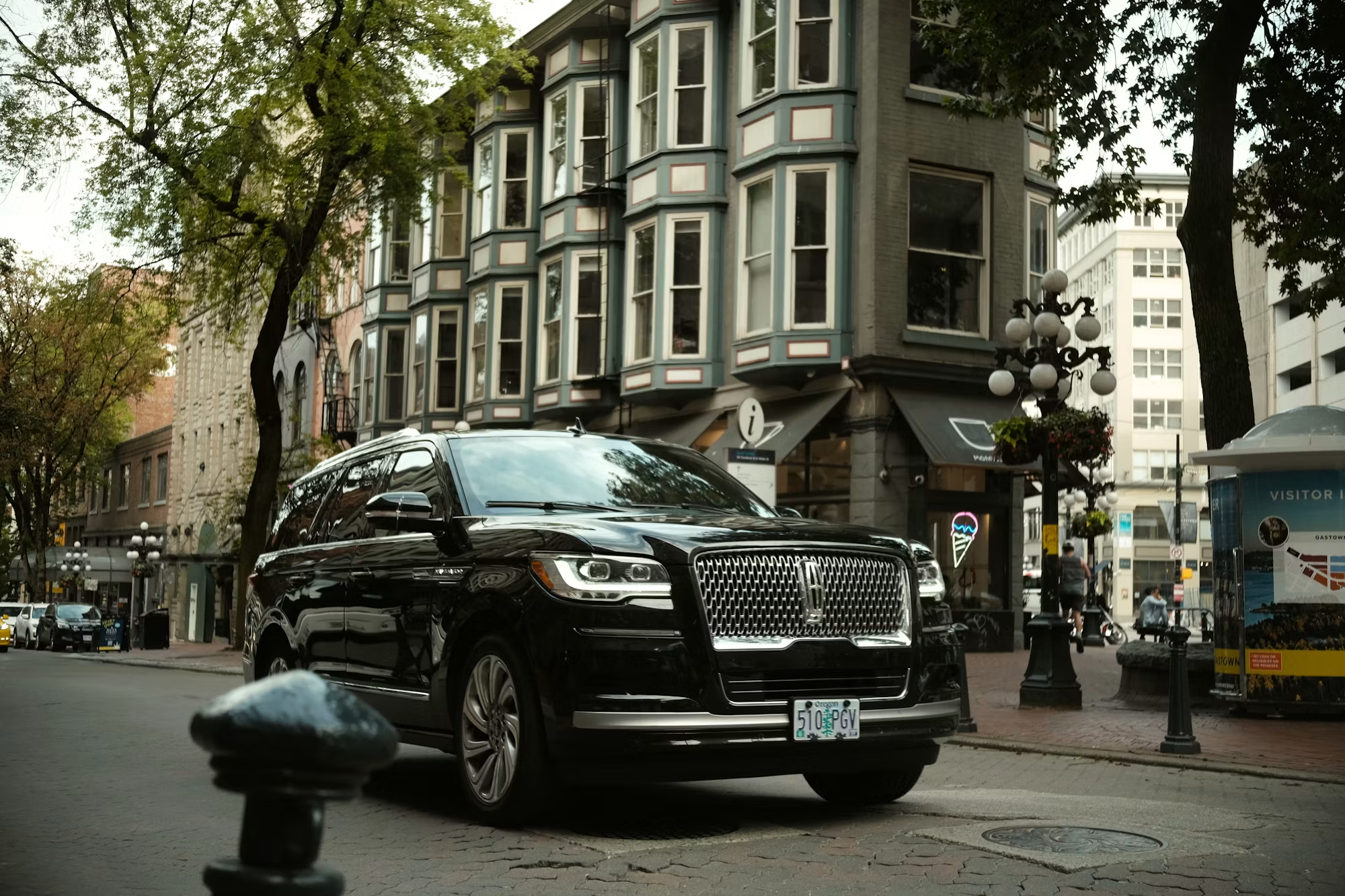
Full-size SUVs have long been the choice for families and adventurers seeking the perfect blend of space, capability, and comfort. These vehicles are designed to accommodate larger groups while providing ample cargo space and the power needed for towing and off-road adventures. As the automotive landscape evolves, full-size SUVs continue to capture the hearts of consumers looking for versatile vehicles that can handle a variety of needs. This article explores the defining features of full-size SUVs, their benefits, and highlights some of the most popular models available today.
One of the most significant advantages of full-size SUVs is their spacious interiors. With three rows of seating, these vehicles can comfortably accommodate up to eight passengers, making them ideal for families and group outings. The generous legroom and headroom provided by full-size SUVs ensure that everyone enjoys a comfortable ride, whether it’s a short trip to the grocery store or a long road trip across the country.
In addition to passenger space, full-size SUVs excel in cargo capacity. Many models feature flexible seating configurations, allowing the rear seats to fold down for increased storage when needed. This versatility makes it easy to transport everything from sports gear to luggage for family vacations. For instance, the Chevrolet Tahoe offers a massive cargo area, ensuring that families can bring along everything they need for their adventures.
When it comes to performance, full-size SUVs are equipped with powerful engines that deliver impressive towing capabilities. Many models are designed to handle heavy loads, making them suitable for towing boats, trailers, or other recreational vehicles. The Ford Expedition, for example, boasts a robust towing capacity, making it a favorite among outdoor enthusiasts who need a vehicle that can manage their gear and equipment.
Full-size SUVs are also known for their off-road capabilities. Many models come with advanced four-wheel-drive systems, enhanced ground clearance, and rugged suspension setups, allowing them to tackle challenging terrains with ease. The Toyota Land Cruiser, a long-standing leader in off-road performance, exemplifies this trend with its combination of luxury and ruggedness, making it an excellent choice for those who enjoy exploring the great outdoors.
Comfort is another hallmark of full-size SUVs. Manufacturers pay special attention to the interior, using high-quality materials and offering a range of features designed to enhance the driving experience. From plush seating to advanced climate control systems, full-size SUVs prioritize passenger comfort. Many models also include high-tech infotainment systems, featuring large touchscreen displays, smartphone connectivity, and premium audio systems to keep everyone entertained on long journeys.
Safety is a paramount consideration for families, and full-size SUVs are increasingly equipped with advanced safety features. Many models offer a suite of driver-assistance technologies, such as adaptive cruise control, lane-keeping assist, and automatic emergency braking. These features not only provide peace of mind for drivers but also help ensure the safety of all passengers. The GMC Yukon, for example, comes with a comprehensive set of safety technologies, making it a reliable choice for families.
As consumer preferences shift toward sustainability, some manufacturers are introducing hybrid and electric options within the full-size SUV segment. These vehicles aim to provide the same spaciousness and capability while minimizing environmental impact. The Ford Expedition Hybrid represents this trend, combining traditional SUV performance with improved fuel efficiency, catering to eco-conscious buyers without sacrificing utility.
The competition among full-size SUVs has also led to innovations in design and engineering. Manufacturers are continuously striving to create lighter and more fuel-efficient models, addressing consumer demands for performance without compromising safety or comfort. Features such as improved aerodynamics and advanced materials contribute to better fuel economy and handling, ensuring that full-size SUVs remain appealing to a broad audience.
Popular full-size SUVs such as the Nissan Armada and Honda Pilot offer unique advantages as well. The Nissan Armada is known for its strong performance and spacious interior, while the Honda Pilot emphasizes a family-friendly approach with its user-friendly technology and safety features. Both models highlight the diversity within the full-size SUV market, ensuring that consumers can find the perfect vehicle to meet their needs.
Moreover, as technology advances, full-size SUVs are increasingly equipped with smart features that enhance the driving experience. Features such as voice-activated controls, navigation systems, and integrated Wi-Fi are becoming standard, ensuring that drivers and passengers remain connected and entertained. This tech-savvy approach caters to families looking for vehicles that can adapt to their modern lifestyles.
Looking ahead, the full-size SUV segment appears poised for continued growth. As consumer preferences shift toward versatile, spacious vehicles, manufacturers will likely invest further in innovation and sustainability. The introduction of fully electric full-size SUVs promises to reshape the market, catering to environmentally conscious consumers who still seek the capabilities and comforts associated with this segment.
In conclusion, full-size SUVs represent the epitome of space and capability, offering families and adventurers the perfect vehicle for their needs. With their spacious interiors, powerful performance, and advanced technology, these vehicles are designed to enhance the driving experience while providing the versatility required for modern life. As the automotive landscape continues to evolve, full-size SUVs will remain a popular choice, ensuring that consumers have access to vehicles that meet their diverse demands for comfort, capability, and innovation.