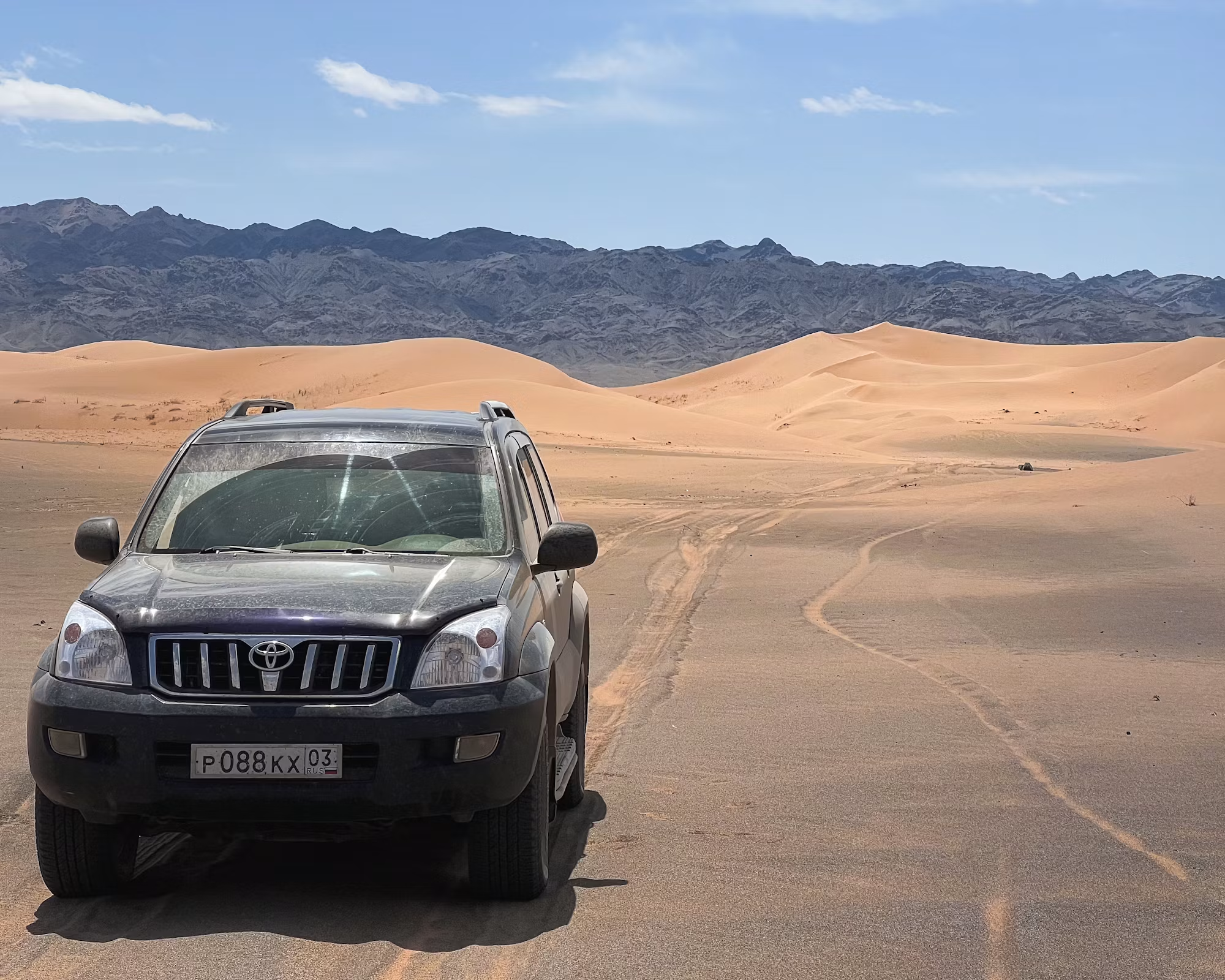
Off-road driving offers a thrilling way to explore the great outdoors, combining adventure with a sense of freedom that paved roads often lack. It requires a unique set of skills, knowledge of specialized vehicles, and an understanding of the terrain to navigate effectively. This article provides an in-depth look at the techniques essential for off-road driving, ensuring that enthusiasts can tackle rugged landscapes safely and confidently.
One of the fundamental aspects of off-road driving is selecting the right vehicle. Not all cars are created equal when it comes to traversing unpaved paths. Off-road vehicles, such as SUVs and trucks equipped with four-wheel drive (4WD), are designed to handle rough terrain. These vehicles often come with features like higher ground clearance, reinforced suspension, and specialized tires that provide better traction on challenging surfaces. Understanding your vehicle’s capabilities and limitations is crucial for a successful off-road experience.
Before setting off on an off-road adventure, it’s essential to prepare adequately. This includes ensuring that your vehicle is in top condition. Regular maintenance checks, such as inspecting the brakes, tires, and fluid levels, can prevent issues during your trip. Additionally, equipping your vehicle with necessary gear, such as a spare tire, recovery straps, a first-aid kit, and navigation tools, enhances safety and preparedness.
Terrain awareness is another critical component of off-road driving. Different terrains, such as sand, mud, rocks, and steep inclines, present unique challenges. Each type of surface requires a different driving technique. For example, when driving in sand, it’s important to maintain momentum and avoid sudden acceleration, which can cause the vehicle to get stuck. Conversely, navigating rocky paths requires careful wheel placement and slow, deliberate movements to prevent damage to the vehicle.
Understanding the principles of traction and weight distribution is vital for effective off-road driving. Off-road vehicles are often heavier than standard cars, which can impact their handling on uneven surfaces. Maintaining a balanced weight distribution helps prevent tipping and loss of control, especially on steep inclines or declines. Drivers should learn to shift their weight appropriately and use techniques like throttle control to manage traction effectively.
Another crucial skill is learning how to navigate obstacles. Off-road driving often involves encountering natural barriers such as logs, boulders, and deep ruts. Approach these obstacles with caution and assess the best route before proceeding. Sometimes, it may be necessary to get out of the vehicle and walk the path to evaluate it thoroughly. Understanding your vehicle’s dimensions and capabilities can help in determining the safest way to tackle these challenges.
Using appropriate driving techniques can significantly enhance your off-road experience. Techniques like “rock crawling,” which involves slowly navigating over boulders and uneven surfaces, require patience and precision. When facing steep inclines or declines, it’s important to use low gears to maintain control and prevent skidding. In muddy conditions, engaging the vehicle’s 4WD can provide the extra traction needed to avoid getting stuck.
Communication with fellow off-roaders is essential for safety and teamwork. When driving in groups, using hand signals or two-way radios can help coordinate movements, especially when navigating tricky terrain or steep areas. This communication ensures that all drivers are aware of each other’s positions and intentions, minimizing the risk of accidents.
Environmental awareness is another vital aspect of off-road driving. Respecting nature and following established trails is crucial to preserving ecosystems and ensuring that these beautiful landscapes remain accessible for future generations. Drivers should familiarize themselves with local regulations regarding off-road use and practice “Leave No Trace” principles by minimizing their impact on the environment. This includes staying on designated trails and avoiding sensitive areas.
In addition to technical skills, off-road driving often provides opportunities for personal growth and adventure. The sense of accomplishment that comes from successfully navigating challenging terrain can boost confidence and create lasting memories. Whether traversing rugged mountains, sandy deserts, or forest trails, the journey itself can be just as rewarding as the destination.
Moreover, off-road driving fosters a unique sense of community among enthusiasts. Sharing experiences, tips, and techniques with fellow off-roaders can enhance the enjoyment of the activity. Many off-road clubs and online forums provide platforms for drivers to connect, plan outings, and learn from each other. Engaging with this community not only enriches the off-roading experience but also promotes safety and responsible driving practices.
Another exciting aspect of off-road driving is the exploration of remote areas. Many off-road trails lead to breathtaking vistas, hidden waterfalls, and secluded campsites that are often inaccessible by conventional vehicles. This sense of discovery adds an element of adventure to every trip, making off-roading a unique way to experience nature.
Weather conditions can greatly affect off-road driving experiences. Rain, snow, and extreme temperatures can change the dynamics of the terrain, presenting new challenges. It’s essential to assess weather forecasts before heading out and to adjust your plans accordingly. In wet conditions, for example, mud can become treacherous, requiring different techniques for navigation. Drivers should always be prepared for changing weather and have the necessary gear to handle varying conditions.
After a day of off-road driving, taking time to reflect on the experience can enhance appreciation for the journey. Sharing stories around a campfire or discussing challenges faced during the day can strengthen bonds among friends and fellow drivers. This camaraderie is part of what makes off-road driving such a fulfilling activity.
In conclusion, off-road driving offers a unique blend of adventure, skill, and connection with nature. By understanding vehicle capabilities, preparing adequately, and mastering essential techniques, drivers can navigate challenging terrains with confidence. Embracing environmental responsibility and engaging with the off-roading community enhances the experience, making it a rewarding pursuit for outdoor enthusiasts. Whether you’re tackling rocky paths or cruising through sandy dunes, the thrill of off-road driving promises unforgettable experiences and lasting memories.